Engineering discipline
Quality and secure delivery
Programme work is structured for traceability, review readiness, and responsible handling of customer information across the engagement lifecycle.
 Connected vehicle security ecosystem with ECU domains, telematics, cloud intelligence, and VSOC
Automotive Cybersecurity Engineering
AutoSec Innovation helps automotive organizations identify, engineer, test, and manage cybersecurity risk across connected vehicles, embedded systems, cloud platforms, and the complete vehicle lifecycle.
Consulting, intelligent security products, and applied R&D across Europe, India, and the Middle East.
Why AutoSec
Modern vehicles combine embedded systems, cloud services, wireless interfaces, software updates, and complex supply chains. AutoSec Innovation brings automotive engineering context and cybersecurity discipline together.
Engineering discipline
Programme work is structured for traceability, review readiness, and responsible handling of customer information across the engagement lifecycle.
Global presence
Cloud and engineering platforms: Amazon Web Services · Microsoft Azure · Google Cloud
R&D ecosystem

Applied automotive cybersecurity R&D in Qatar, focused on intelligent security assessment, threat detection, and mobility resilience.
Incubated by Qatar Science & Technology Park for automotive cybersecurity R&D in Qatar
Explore Our Qatar R&D InitiativeBusiness outcomes
Regulation sets the obligation. Engineering decides whether a vehicle programme can actually meet it, and prove it.
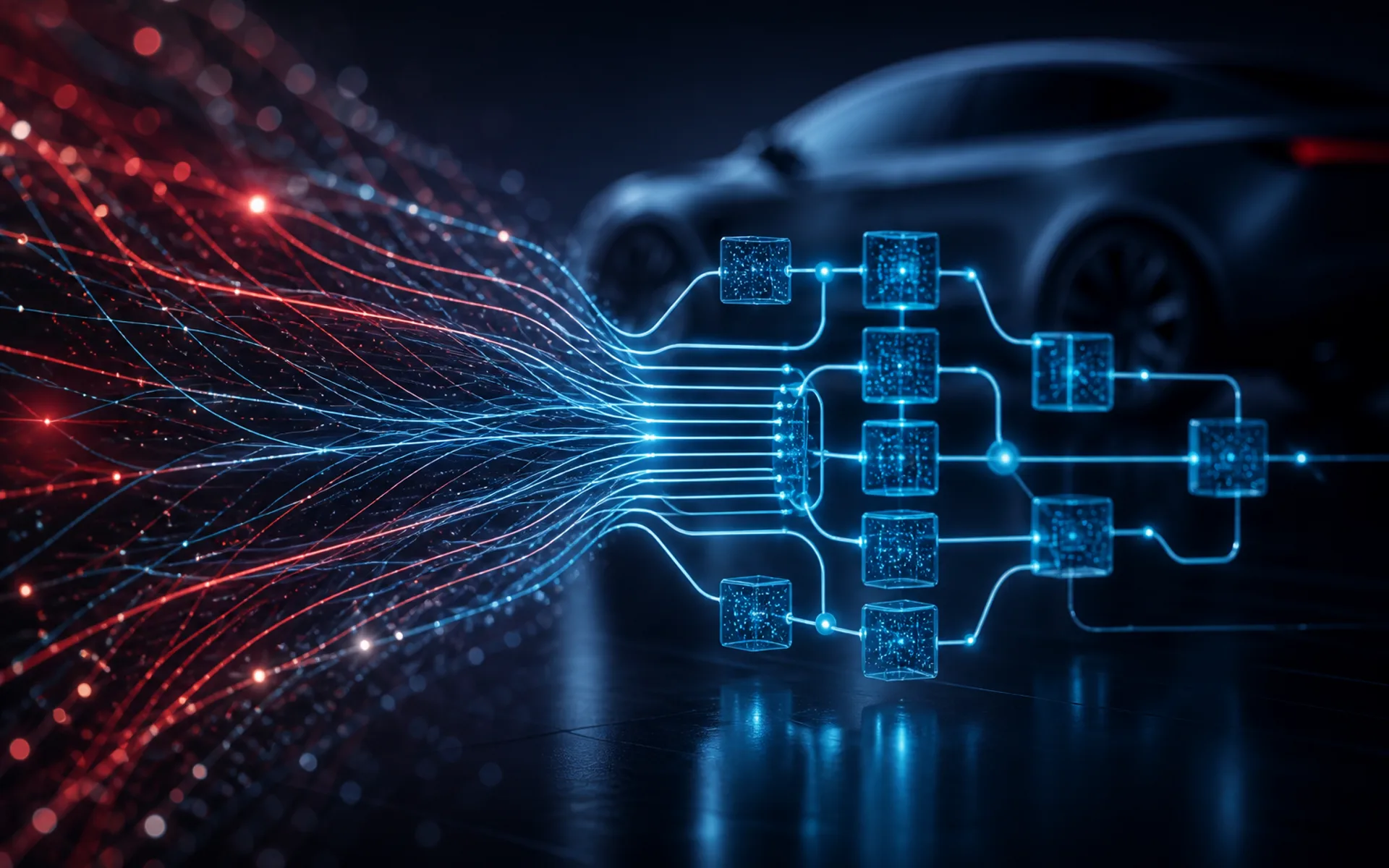
Identify threats, assess exposure, and prioritise controls through structured TARA and cybersecurity engineering.
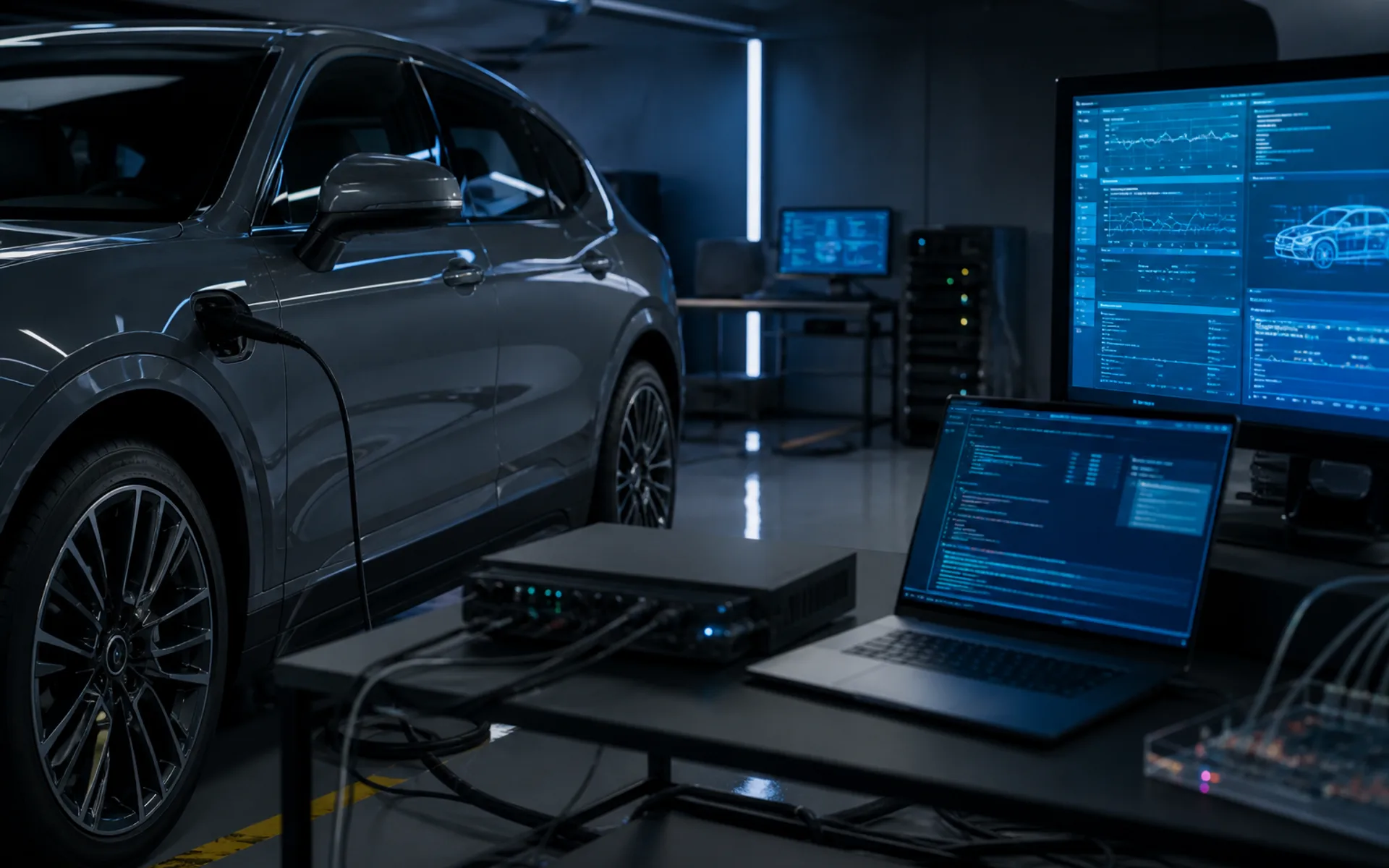
Test ECUs, communication interfaces, software, wireless attack surfaces, and supporting infrastructure.

Monitor threats, coordinate response, and strengthen fleet and product security through VSOC-oriented capabilities.
Services
Specialist support from concept and architecture through validation, production, operations, updates, and decommissioning.
Cybersecurity work exists as documentation rather than engineering decisions.
TARA results differ between teams because the method is applied inconsistently.
Security controls are specified but never tested against a capable attacker.
Vehicle data is collected but no one owns detection or response.
Update processes exist in engineering but are not documented as a managed system.
Security requirements are written but not implementable on the target hardware.
Safety and security teams produce conflicting requirements.
V2V and C-V2X work in India is treated as a radio or ITS feature, with AIS-230 cybersecurity left until late.
Generic security training does not transfer to vehicle engineering work.
Lifecycle model
Cybersecurity obligations do not end at start of production. Each stage produces evidence the next stage depends on.
Define the item, identify assets, and establish cybersecurity goals before architecture is fixed.
Translate cybersecurity goals into an architecture with defensible trust boundaries and interfaces.
Implement controls on the target platform: secure boot, key handling, and protected communication.
Prove the implementation resists realistic attack conditions and produce evidence for release gates.
Lock down production and diagnostic interfaces, and confirm the update path before start of production.
Monitor the fleet, triage security signals, and run incident response with vehicle engineering context.
Deliver software updates with integrity, impact assessment, and reconstructable campaign evidence.
Retire vehicles, keys, and services in a controlled way so residual data and access do not persist.
Vehicle security technology
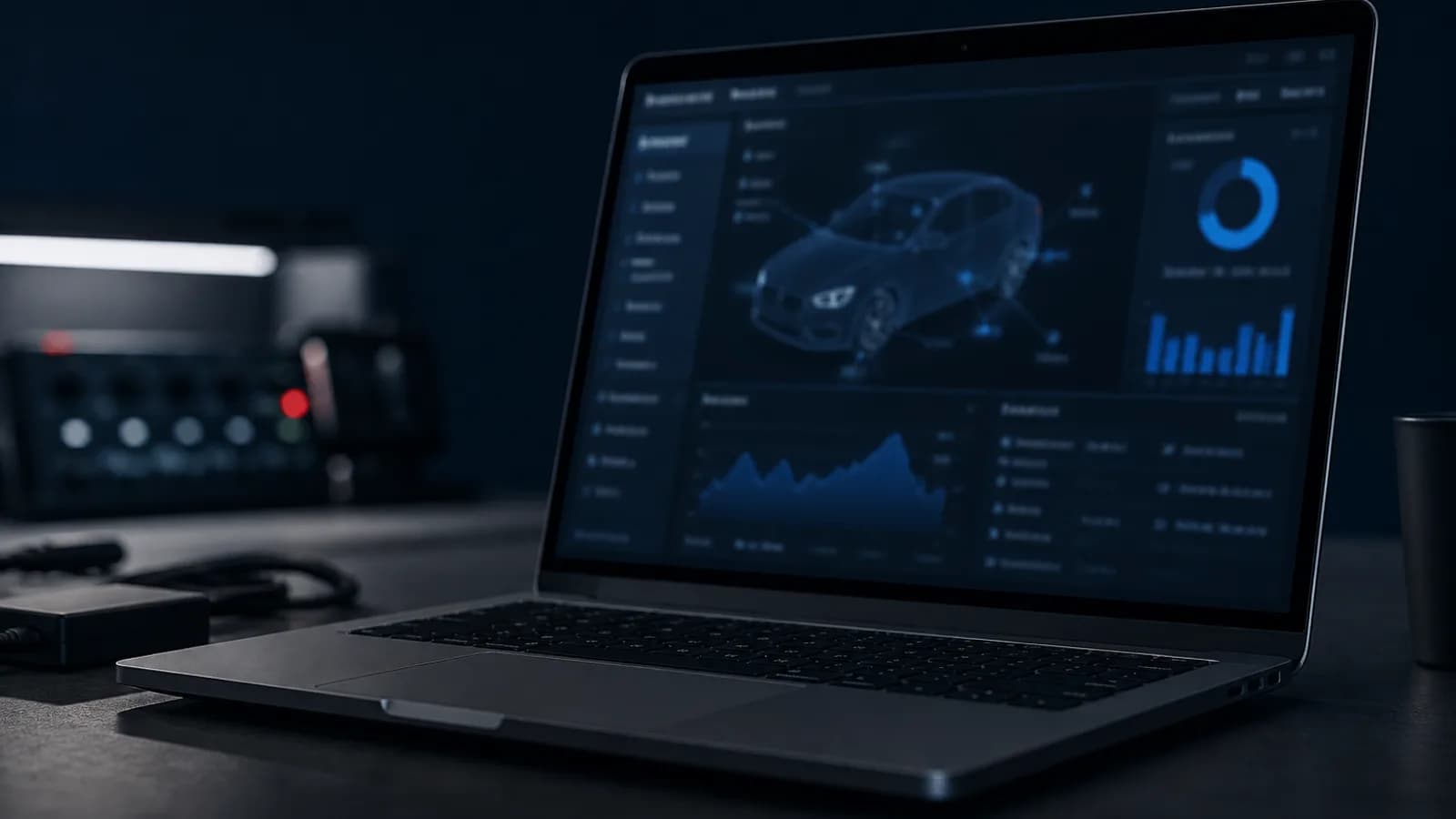
A software-first automotive cybersecurity platform designed to help security teams discover vulnerabilities, simulate attack conditions, monitor security signals, and generate actionable technical reports.
Fleet security overview
Risk score
68/100
Open findings
28
6 interfaces
Remediated
61%
Findings by severity
ECU topology
Scan activity
Illustrative dashboard showing a fleet security overview with a vehicle risk score of 68 out of 100, 28 open findings, 61 percent remediation progress, findings grouped by severity, an ECU topology with six nodes, and a scan activity trend. All values are demonstration data.
Attack surface explorer
Educational demo · sample data
Focus
Vehicle-to-cloud connectivity and API exposure
Example validation activities
Recommended next step
Strengthen identity and update path integrity
Selecting a surface highlights relevant assessment themes. It does not execute a scan or imply a live finding.
Applied R&D in Qatar
AutoSec Innovation is extending its applied research and product-development activities in the Qatar region, focusing on intelligent vehicle security assessment, threat detection, security automation, and mobility resilience.

Incubated by Qatar Science & Technology Park for automotive cybersecurity R&D in Qatar
Detection approaches that separate genuine security events from normal vehicle behaviour across diverse fleets.
Reducing the manual effort in security testing so validation can run repeatedly across ECU variants.
How connected fleets absorb, detect, and recover from security events without disrupting operation.
Applying machine learning to analysis and prioritisation tasks where engineering judgement remains in control.
Security research shaped by the mobility, climate, and infrastructure conditions of the region.
Evidence
We publish engagement detail only where the customer has approved it, by name or in anonymised form.
Most automotive security programmes are covered by confidentiality agreements. We do not publish invented metrics or unapproved customer names. Under NDA we can walk through comparable scope, method, deliverables, and the evidence those programmes produced.
Credibility
Clear operating practices and platform relationships help programme stakeholders evaluate AutoSec with confidence.
Cloud and engineering platforms
Platforms and cloud ecosystems supported by our engineering and product teams.
Named as engineering platforms we work with — not as formal partnership claims.
Research and innovation

Qatar Science & Technology Park
R&D incubation for automotive cybersecurity in Qatar
Incubated by Qatar Science & Technology Park for automotive cybersecurity R&D in Qatar
Standards mapping
Select a standard to see the lifecycle stages and services most often engaged. AutoSec Innovation does not certify or approve organizations.
Stages: Concept · Architecture · Development · Verification
Stages: Development · Verification · Production · Operations
Stages: Development · Production · Updates
Stages: Concept · Architecture · Development
Standards and technology
Our services help organizations interpret and implement relevant requirements. AutoSec Innovation does not certify or approve organizations.
Road vehicle cybersecurity engineering across the product lifecycle.
Cybersecurity and cybersecurity management system requirements for vehicle approval.
Software update and software update management system requirements.
Software update engineering practice for road vehicles.
Functional safety for road vehicle electrical and electronic systems.
Classic and Adaptive platform architecture, including security building blocks.
In-vehicle communication technologies and their protection mechanisms.
Firmware integrity, trust anchors, and key management on embedded targets.
Vehicle detection concepts and security operations for fleets and products.
Integrity, authenticity, and delivery security for vehicle software updates.
Insights
Practical guidance for engineering and security teams working on connected and software-defined vehicles.
 Regulations
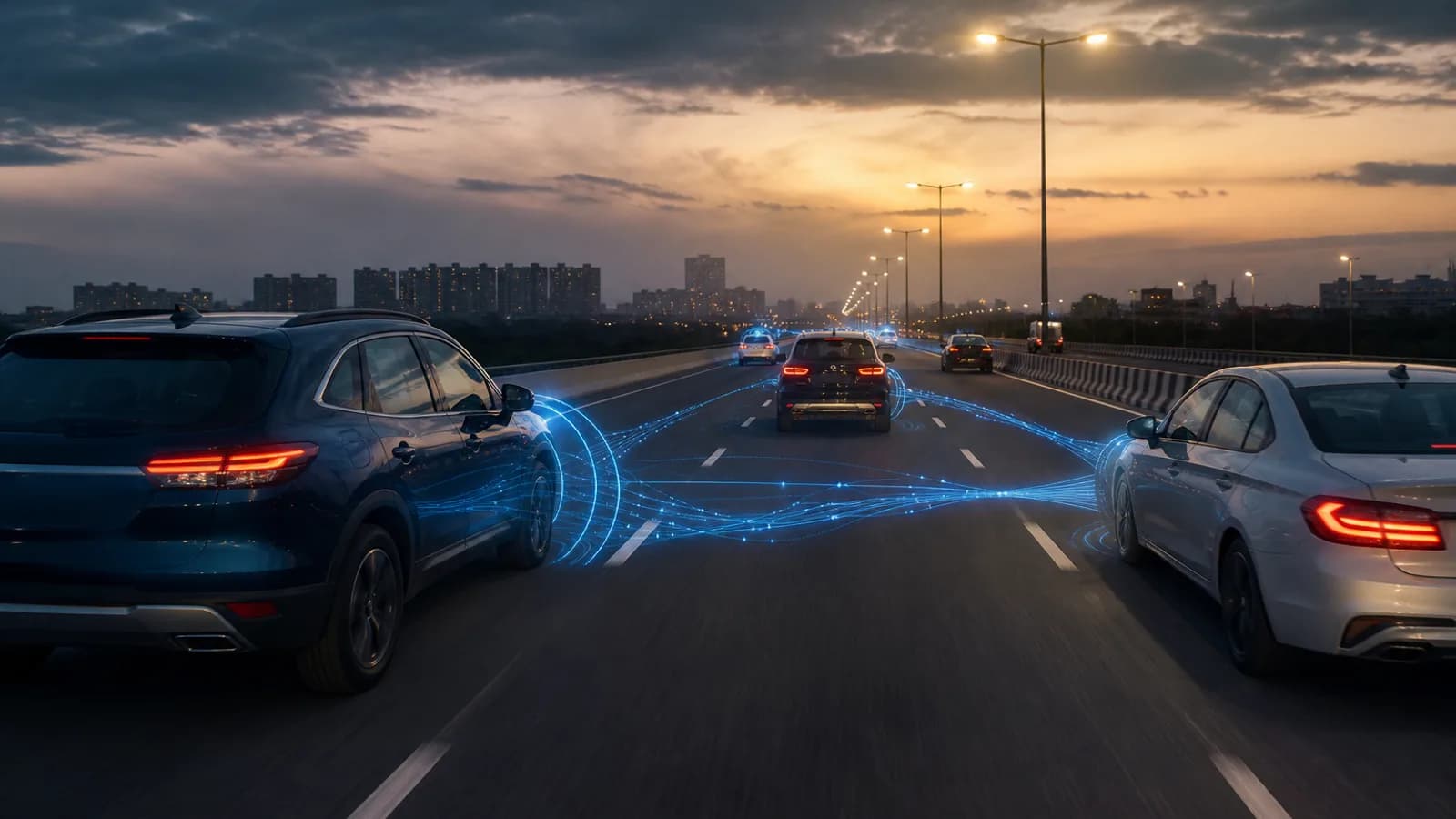
MoRTH’s draft V2V framework puts factory-installed C-V2X On-Board Units on a phased path for Indian vehicle categories L, M, and N. AIS-230 also brings cybersecurity and communication-security requirements that Indian OEM and Tier-1 programmes must treat as engineering work—not only radio compliance.
· AutoSec Engineering Team · 4 min read
Read article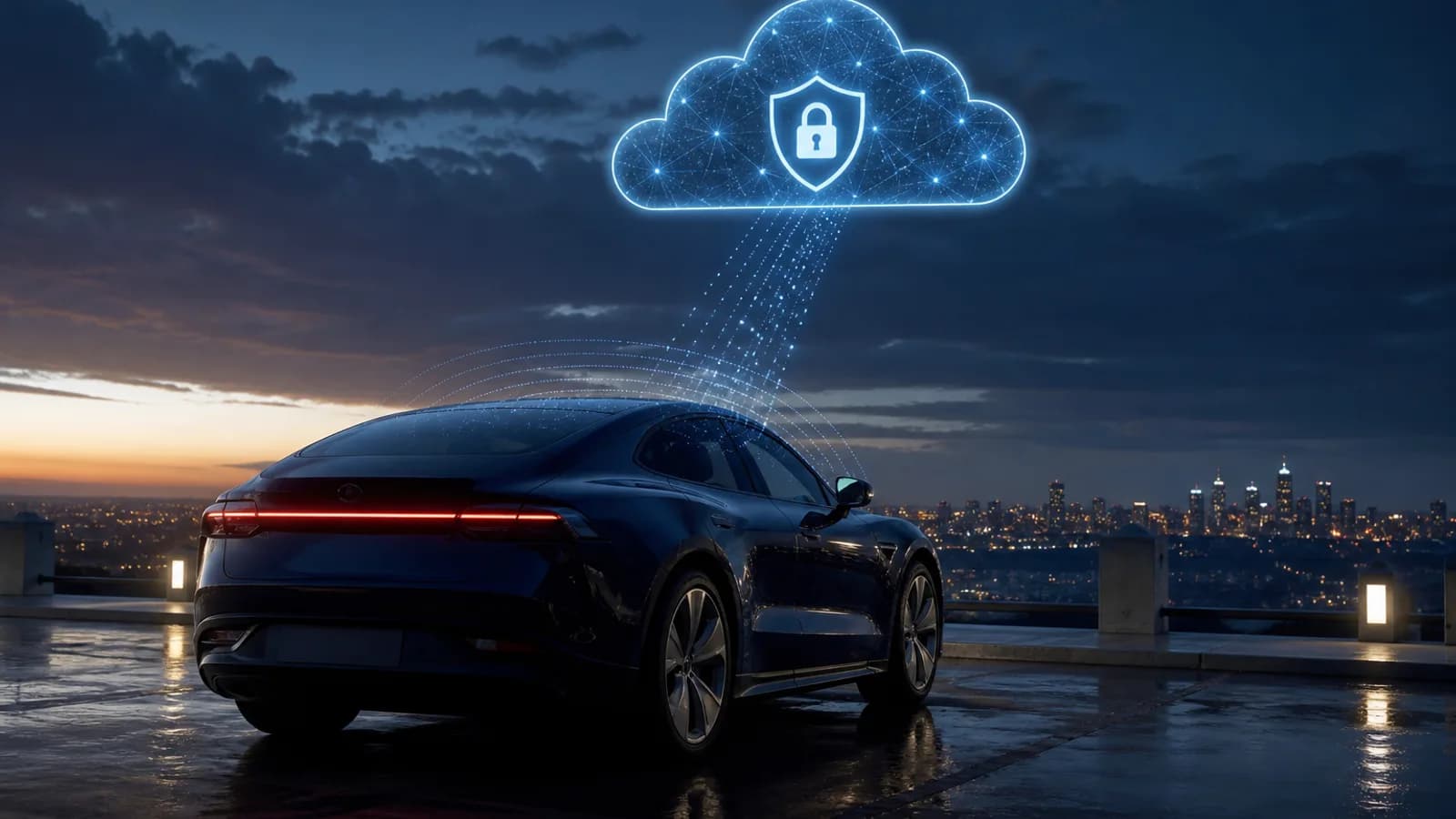 Secure Updates
Most engineering organisations already update vehicle software safely. Far fewer can reconstruct, months later, exactly what was delivered to which vehicle and why it was considered safe.
· AutoSec Engineering Team · 1 min read
Read article VSOC
VSOCAn enterprise SOC watching vehicle telemetry without vehicle context produces alerts nobody can act on. The gap is domain knowledge, not tooling.
· AutoSec Engineering Team · 2 min read
Read articleWhether you are defining a cybersecurity concept, preparing for validation, strengthening operational monitoring, or developing a new security product, our specialists can help structure the next step.
Enquiries go to info@autosecinnovation.com
Contact routing